Urban Underground Pipelines and Industrial Lines: The "Hidden Blood Vessels" of Modern Infrastructure
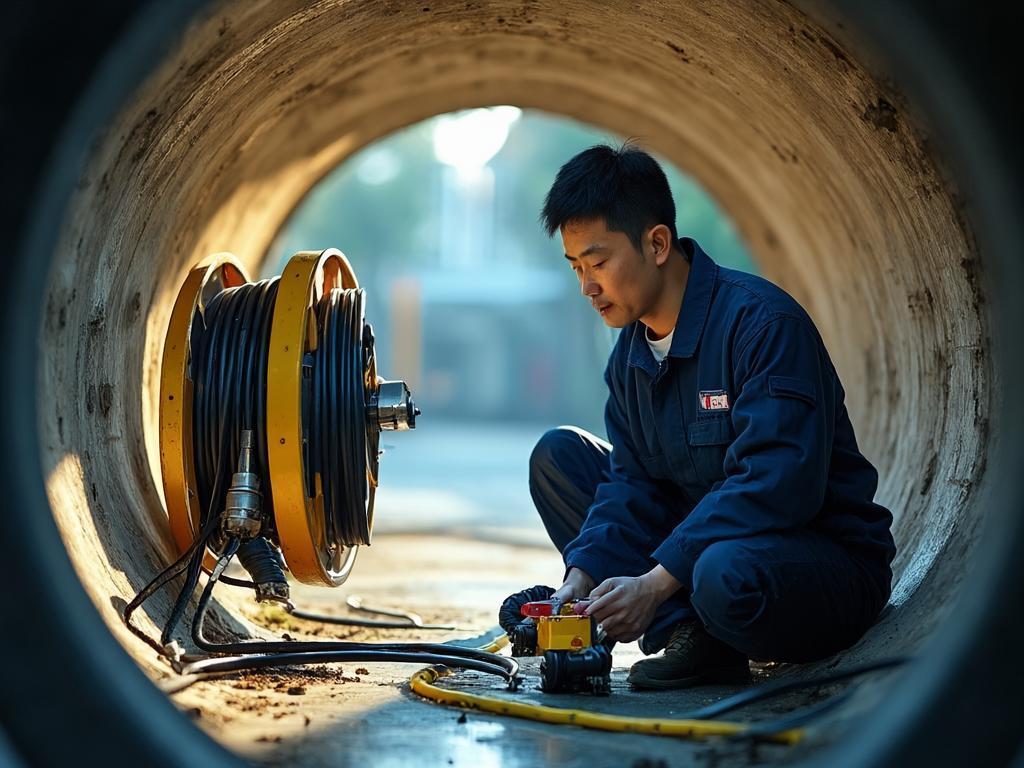
Urban underground pipeline networks and industrial pipelines are like the "hidden blood vessels" of cities and industrial facilities.
Over years of operation, pipelines can be affected by corrosion, erosion, sediment buildup, deformation, scaling, and leakage. Without timely inspection, minor defects can develop into major operational or safety issues.
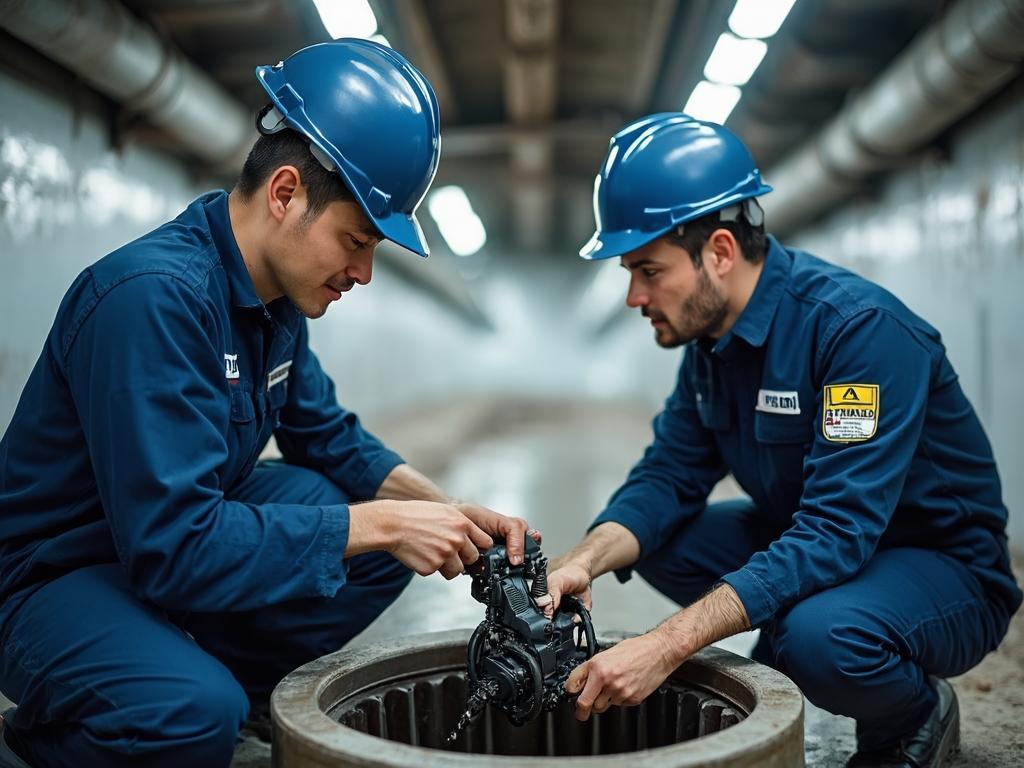
Traditional inspection methods often rely on personnel entering confined spaces. This can involve significant operational risks and may also be affected by underground conditions, lighting, and operator experience, making inspections less efficient and defect documentation less consistent.
Guangzhou Dynabot Intelligent Technology Co., Ltd. focuses on the R&D, manufacturing, and practical deployment of specialized pipeline inspection robots. By using intelligent equipment to reduce the need for personnel to enter hazardous pipeline sections, Dynabot aims to provide safer, more efficient, and more precise inspection solutions for municipal infrastructure, water utilities, and industrial engineering applications.
1. About Dynabot: An Intelligent Equipment Company Focused on Pipeline Inspection
Guangzhou Dynabot Intelligent Technology Co., Ltd. is a technology-oriented company specializing in specialized inspection robots. Its core team has long focused on technology development and practical project experience in pipeline inspection.
Unlike companies focused solely on equipment trading or system integration, Dynabot combines in-house R&D, manufacturing, and on-site application support. This integrated capability allows the company to respond more closely to real pipeline conditions and provide more targeted inspection equipment and technical support.
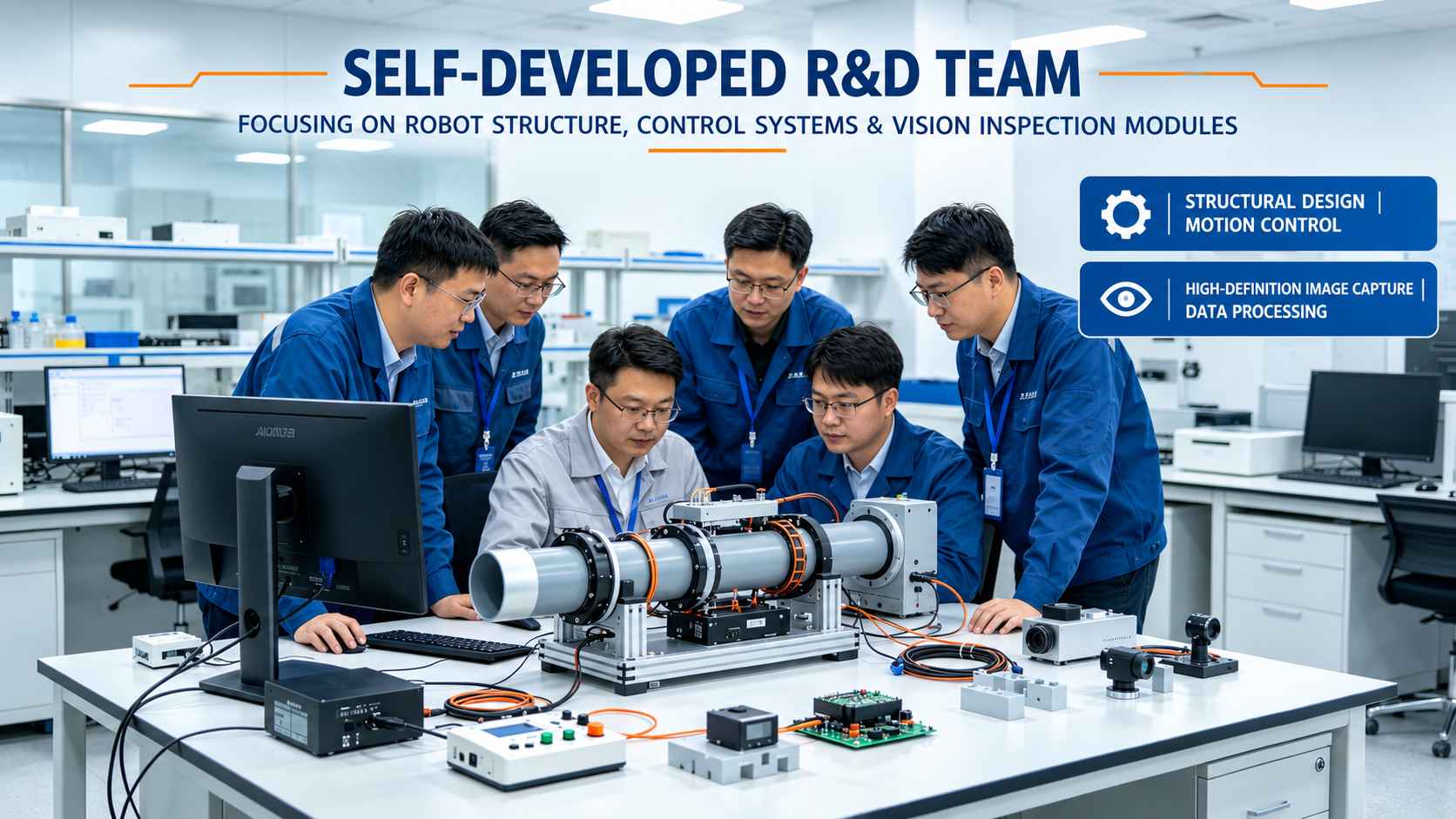
2. In-House R&D Team: Continuous Development Around Real-World Conditions
Pipeline interiors can be highly challenging environments. Pipe diameter, water accumulation, scaling, deformation, and other conditions can all affect robot mobility and inspection performance.
Dynabot's R&D team focuses on key technologies including robot structural design, motion control, high-definition visual inspection, sensor integration, and inspection data processing. The goal is to make inspection equipment more stable, reliable, and adaptable to demanding field conditions.
Key R&D Areas
Pipeline robot structural design and optimization Motion control and stable driving technology High-definition imaging and auxiliary lighting systems Sensor integration and positioning modules Inspection data processing and report generation
For customers, this means the equipment is not simply a standardized product designed for immediate deployment. It can be continuously optimized around pipe diameter, mobility, inspection accuracy, and specific project requirements.
3. In-House Manufacturing: From Assembly and Testing to Delivery
Dynabot has in-house manufacturing capabilities for specialized pipeline inspection robots, covering key stages such as component assembly, system integration, control-system commissioning, and factory testing.
By managing the manufacturing process in-house, Dynabot can improve equipment consistency, shorten delivery cycles, and respond more quickly to project-specific requirements.
Manufacturing Capabilities Include
Complete robot assembly and integration Control-system commissioning Factory testing Customized modifications After-sales repair and maintenance
For engineering companies, pipeline operation and maintenance organizations, and industrial businesses, this integrated approach can also support faster response when equipment requires troubleshooting, upgrades, or adjustments.
4. Specialized Pipeline Inspection Robots: Moving High-Risk Inspection Toward Unmanned Operations
Pipeline inspection robots are one of Dynabot's core product areas.
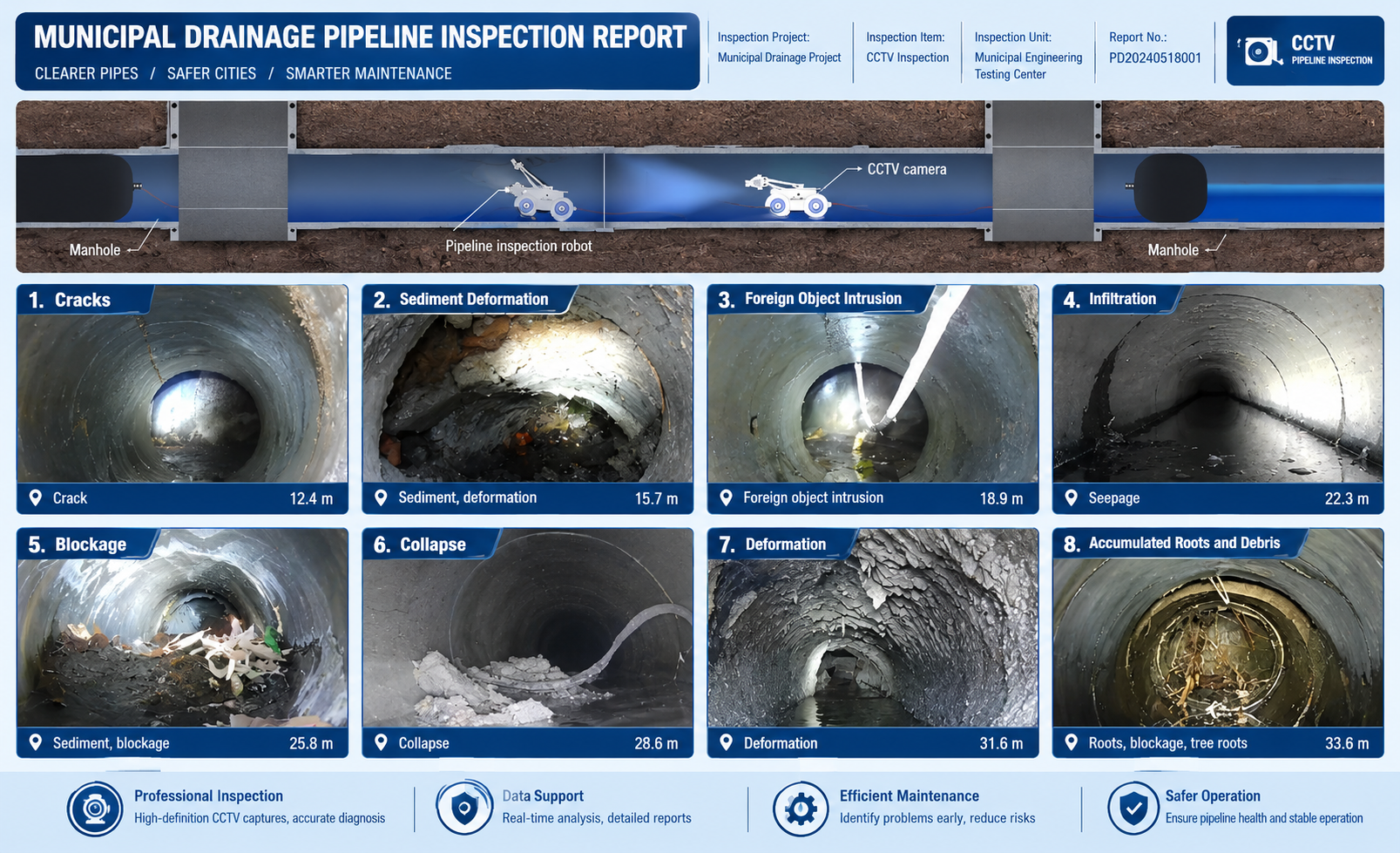
These systems can enter pipelines that are difficult or unsuitable for personnel to access. Using high-definition cameras, lighting systems, sensors, and positioning technology, the robots can transmit visual information from inside the pipeline and help identify common conditions such as cracks, leakage, deformation, corrosion, sediment buildup, and scaling.
Key Capabilities
1 Reduce the need for personnel to enter confined spaces
2 Capture high-definition visual records of pipeline conditions
3 Assist in identifying common defects such as cracks, leakage, deformation, and sediment buildup
4 Preserve inspection data for pipeline assessment and project acceptance
5 Adapt to a range of complex pipeline environments and improve inspection efficiency
Compared with conventional manual inspection, robotic inspection is particularly suitable for long-distance, hazardous, and complex pipeline sections, while also making inspection data easier to retain, review, and manage later.
5. Applications: Municipal, Industrial, and Project Acceptance Inspection
1. Municipal Stormwater and Sewer Pipeline Inspection
Used for municipal drainage network surveys, routine maintenance, and defect identification, helping pipeline operators better understand internal pipeline conditions.
2. Industrial Pipeline Inspection
Suitable for periodic inspections, maintenance assessments, and fault investigation in industrial facilities, helping companies improve operational safety.
3. Box Culvert and Underground Channel Inspection
Box culverts and large underground channels can involve complex environments and higher risks for manual inspection. Robots can enter these spaces to perform visual inspections while reducing the need for personnel to work inside them.
4. New Pipeline Completion and Acceptance Inspection
After the completion of a new pipeline, internal conditions need to be documented and verified. Robotic inspection can provide visual records and supporting inspection data for project acceptance.
6. Dynabot's Core Value: More Than Equipment — Building Inspection Capability
Dynabot's value lies not only in its pipeline inspection robot products, but also in its understanding of pipeline inspection requirements and its ability to support practical project implementation.
What Dynabot Brings to Customers
Safer
Robots can reduce the need for personnel to enter hazardous pipeline sections and help reduce confined-space entry risks.
More Precise
High-definition visual inspection makes defect records more intuitive and helps improve visibility of defect locations.
More Efficient
Reducing manual entry and preparation requirements can help improve overall inspection efficiency.
More Complete
Inspection data can be retained and traced for pipeline assessment, maintenance, and project acceptance.
More Reliable
With R&D, manufacturing, and service capabilities integrated into one workflow, Dynabot can respond more quickly and provide more consistent support.
Looking Ahead
As cities continue to upgrade their pipeline infrastructure and industrial facilities place greater emphasis on equipment operation and maintenance, specialized pipeline inspection robots are becoming an important part of pipeline maintenance, project acceptance, and safety inspection.
Guangzhou Dynabot Intelligent Technology Co., Ltd. continues to focus on real-world pipeline inspection scenarios, combining in-house R&D with manufacturing to develop inspection equipment that is stable, practical, and better adapted to field conditions.
Looking ahead, Dynabot will continue to develop specialized pipeline robotics and support the transition of pipeline inspection from traditional manual methods toward smarter, more automated, and more data-driven operations.