Municipal drainage networks operate year-round, and their internal conditions are invisible and hard to touch. Routine ground patrols usually only detect local anomalies near manholes; internal fractures, leaks, silting and other hazards inside pipe sections are difficult to grasp manually. This is why many operations teams now use CCTV pipe inspection robots — sending a camera into the pipe makes wall conditions viewable, recordable and assessable.
Value 1: No Manual Entry, a Clearer Safety Boundary
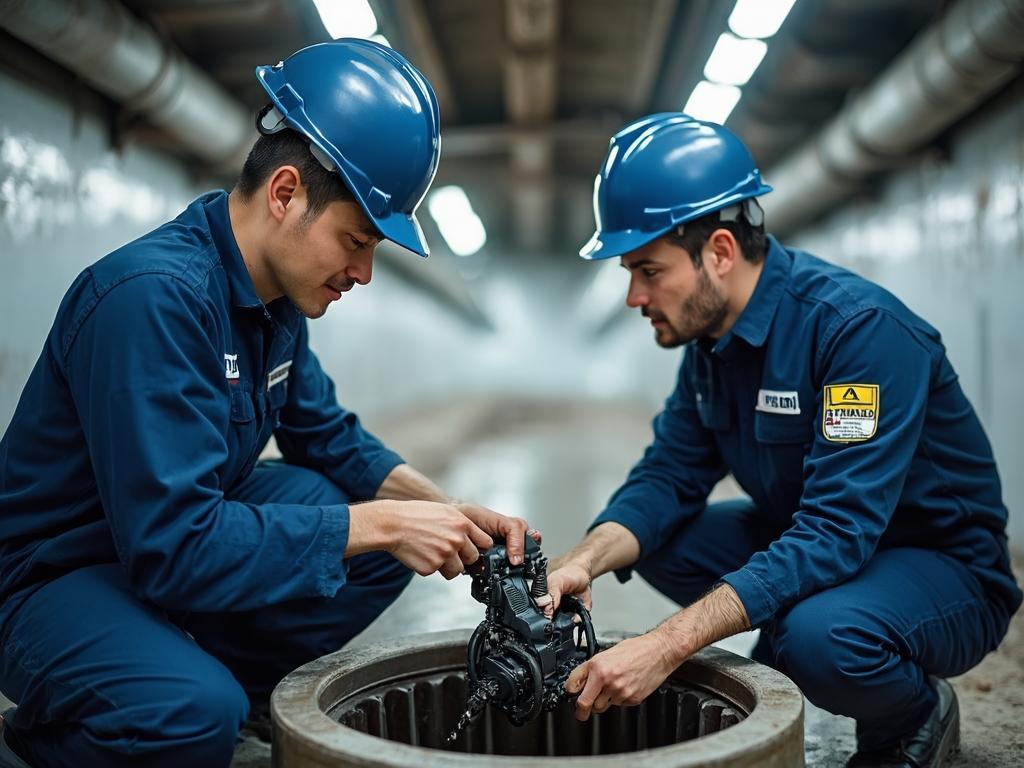
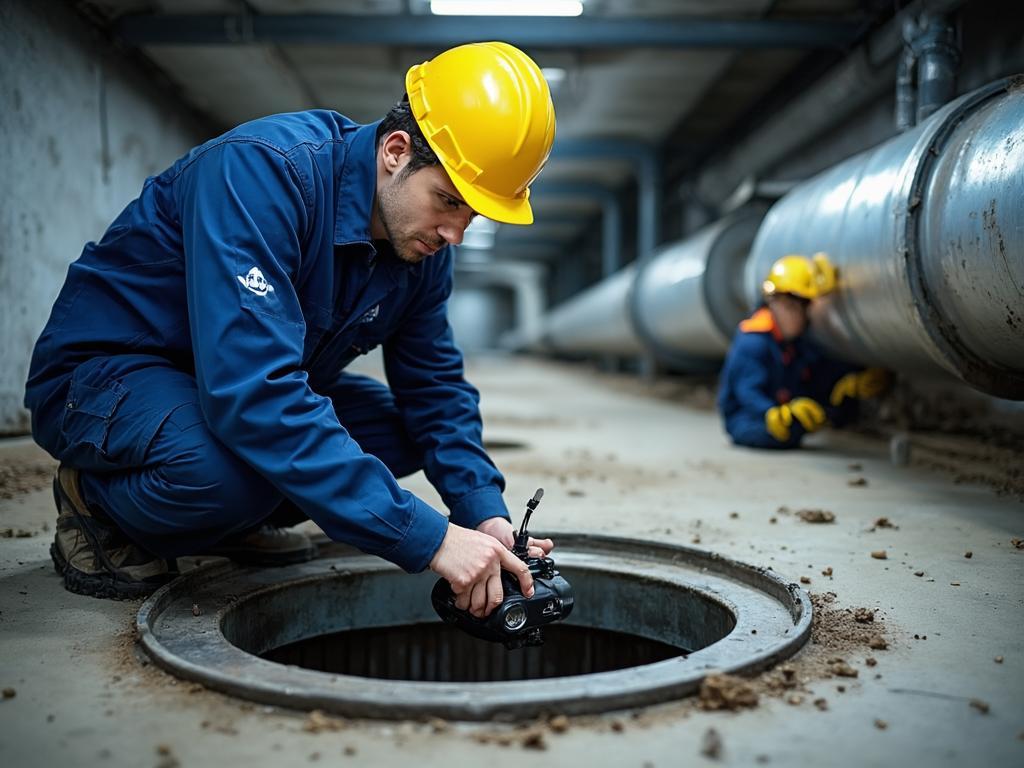
In the past, manual manhole inspection required ventilation, gas detection and safety harnesses. Even with full protection, there were still confined-space risks such as hydrogen sulfide and oxygen deficiency. A pipe inspection robot is lowered through the manhole, and operators remotely control the crawler robot from outside using the control station — no one enters the pipe, eliminating poisoning and suffocation hazards at the source.
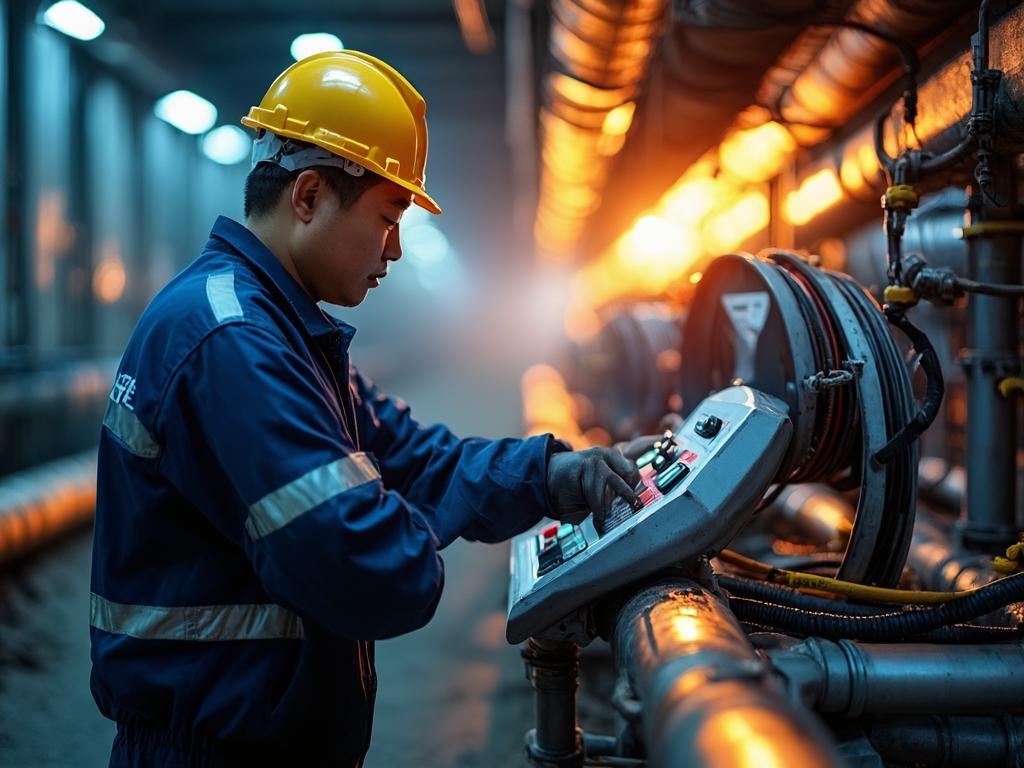
The crawler robot uses an all-terrain chassis with multi-wheel independent drive, moving steadily even in mud and sediment and passing through different diameters and silted sections. The cable reel provides power and signal transmission simultaneously, supporting long-range inspection, while the odometer helps pinpoint defect locations so on-site work does not depend on personnel experience inside the pipe.
Value 2: From "Capturing Images" to "Seeing the Details"
Early CCTV equipment could also record inside pipes, but often with limited resolution and fixed viewing angles, so defect details were easily missed. Today's pipe inspection robots commonly carry HD imaging cameras that support 360° rotation and LED light adjustment for multi-angle observation of the pipe wall; front/rear view switching lets operators see ahead while traveling and review the condition of sections already passed.
Combined with the cable reel's odometer, footage and distance correspond one-to-one. When a suspected defect is found, its location can be recorded, the defect type and grade assessed, and the evaluation performed against current technical standards, ultimately producing an inspection assessment report. Compared with simply storing a video, structured defect data is more useful for the next step of maintenance.
Value 3: Inspection Results Directly Serve Maintenance Decisions
"Seeing clearly" is not the end. The purpose of municipal drainage network inspection is to provide a basis for maintenance and repair. The footage and defect grades collected by the inspection robot, combined with the built-in inspection and reporting software on the control station, allow on-site instant assessment and reduce return trips. Assessment results can serve as baseline data for preventive maintenance, acceptance inspection and network surveys, helping operations teams prioritize by defect grade and prevent small problems from becoming major repairs.
The DannaBot D8 is a complete CCTV pipe inspection system designed along these lines. It includes a crawler robot, an HD rotating camera, a cable reel and a portable control station, and suits municipal drainage and sewage networks, industrial pipelines, water transmission culverts and utility tunnels. The control station supports single-operator use with real-time video and robot status display, ideal for rapid on-site deployment.
Common Questions
Can the robot still inspect a pipe with heavy sediment?
Crawler robots have a certain ability to pass through mud and sediment. Whether they can actually enter depends on the level of silting, pipe diameter and robot configuration; an on-site survey is recommended to confirm.
How long does one inspection take?
Depending on inspection distance, pipe diameter and the number of defects, a short single section is usually measured in hours; the detailed schedule is based on the on-site work plan.
If you are assessing whether a municipal drainage section is suitable for CCTV inspection, bring information such as pipe diameter, silting conditions and inspection scope, and contact DannaBot for an on-site survey.